Clear Aligners and Jaw Health: Why Proper Alignment Matters
Tringas Orthodontics
February 5, 2026
Many people think orthodontic treatment is only about straightening teeth. While improving the appearance of your smile is certainly a benefit, orthodontics also plays an important role in overall oral health. One of the most important aspects of treatment involves jaw alignment and bite balance.
For patients in Windermere, Lake Nona, and the surrounding Central Florida communities including St. Cloud, understanding how jaw alignment affects daily comfort and long-term dental health is an important part of orthodontic care.
When teeth do not align properly, it can affect how the jaw functions during daily activities like chewing, speaking, and even resting. Over time, these imbalances can contribute to discomfort, uneven tooth wear, and strain on the jaw joints.
Modern orthodontic treatments, including clear aligners for jaw alignment, are designed to improve both the position of the teeth and the way the upper and lower jaws work together. Understanding how alignment affects jaw health can help patients make informed decisions about orthodontic care.
The Connection Between Teeth and Jaw Alignment
Your teeth and jaw function as part of a complex system. When your teeth come together in a balanced way, your jaw muscles and joints can move comfortably and efficiently.
However, when teeth are misaligned, several issues may develop, including:
- Uneven pressure when biting or chewing
- Excess strain on the jaw joints
- Difficulty achieving a comfortable bite
- Premature tooth wear
- Muscle fatigue in the jaw
Orthodontists evaluate these relationships carefully when planning treatment because correcting alignment can support long-term jaw health.
Understanding Bite Alignment
Bite alignment refers to how the upper and lower teeth fit together when the mouth closes. Ideally, the teeth should meet in a balanced way that distributes pressure evenly.
Several types of bite issues may affect jaw comfort.
Overbite
An overbite occurs when the upper front teeth extend significantly over the lower teeth. While a mild overbite is common, a more pronounced one can affect jaw function and tooth wear.
Underbite
An underbite occurs when the lower teeth sit in front of the upper teeth. This can affect chewing efficiency and sometimes place additional stress on the jaw joints.
Crossbite
A crossbite occurs when certain upper teeth sit inside the lower teeth rather than outside them. This misalignment can cause uneven pressure across the bite.
Open Bite
An open bite occurs when the upper and lower teeth do not meet properly when the mouth closes. This may affect chewing and speech patterns.
Each of these bite relationships can influence how the jaw moves and how comfortable that movement feels.
How Clear Aligners Help Improve Jaw Alignment
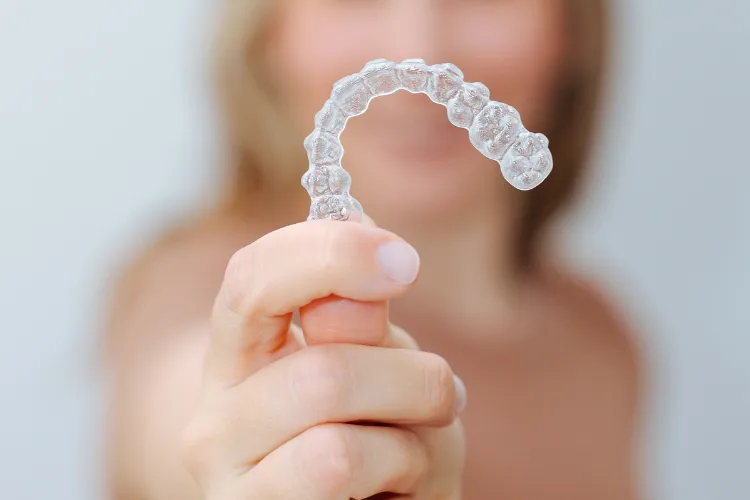
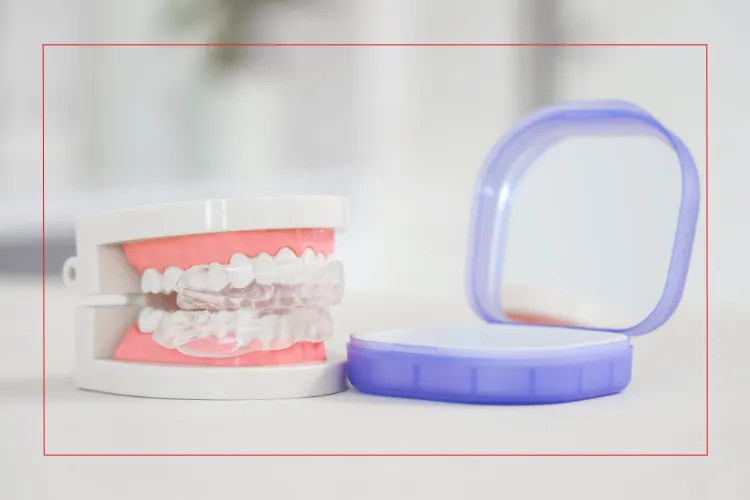
Clear aligners are designed to gradually move teeth into improved positions through controlled and carefully planned adjustments.
During treatment, a series of custom aligners gently guide teeth step by step. Each aligner applies targeted pressure to specific teeth, gradually improving alignment and bite balance.
When teeth move into more optimal positions, several positive changes can occur:
- Better distribution of bite pressure
- Improved chewing efficiency
- Reduced strain on jaw muscles
- Greater overall bite stability
This is why orthodontists evaluate not only how teeth look, but also how they function together.
For adults and teens seeking orthodontic care in Windermere, Lake Nona, and St. Cloud, clear aligners provide a modern treatment option that can improve both smile aesthetics and functional bite alignment.
Jaw Joints and the Role of the Bite
The jaw joints, known as the temporomandibular joints (TMJ), allow the jaw to open, close, and move from side to side. These joints work closely with the teeth and surrounding muscles.
When bite alignment is uneven, the jaw joints may compensate for the imbalance. Over time, this can contribute to symptoms such as:
Jaw fatigue
Clicking or popping sounds
Muscle tension around the jaw
Difficulty finding a comfortable resting bite
While orthodontic treatment is not designed to treat every type of jaw discomfort, improving tooth alignment can support a healthier bite relationship.
Signs That Bite Alignment May Need Evaluation
Some people notice clear signs that their bite may not be functioning optimally. Others may have bite imbalances without obvious symptoms.
Common indicators include:
- Teeth that appear crowded or uneven
- Uneven tooth wear
- Difficulty biting into certain foods
- Jaw fatigue during chewing
- Frequent clenching or grinding
An orthodontic consultation can help determine whether alignment issues are contributing to these concerns.
What Orthodontists Evaluate During a Bite Assessment
When planning treatment, orthodontists consider several factors related to clear aligners and jaw alignment.
These may include:
- The way upper and lower teeth meet when biting
- How the jaw moves during opening and closing
- Crowding and spacing of teeth
- The relationship between the jaws and facial structure
- Long-term stability of the bite
This comprehensive evaluation helps determine whether clear aligners are an appropriate treatment option.
A Quick Self-Check for Bite Awareness
If you are curious about your bite alignment, consider the following questions:
Do my teeth feel uneven when I bite down?
Do certain teeth seem to carry more pressure when chewing?
Do I notice uneven wear on some teeth?
Does my jaw ever feel tired after meals?
Do I sometimes shift my jaw to find a comfortable bite?
These observations do not replace a professional evaluation, but they can help you become more aware of how your bite functions.
The Long-Term Benefits of Balanced Alignment
Orthodontic treatment focuses not only on improving appearance but also on supporting long-term dental health.
When teeth and jaws are aligned more effectively, patients may experience:
- More balanced chewing forces
- Reduced risk of uneven tooth wear
- Improved bite comfort
- Better long-term stability of tooth positions
These benefits highlight why orthodontists view alignment from both a cosmetic and functional perspective.
What to Expect During a Clear Aligner Consultation
If you are interested in clear aligners for jaw alignment, the first step is an orthodontic consultation.
During this visit, your orthodontic team typically will:
- Discuss your goals and concerns
- Evaluate tooth and bite alignment
- Review potential treatment options
- Explain treatment timelines and expectations
For patients in Windermere, Lake Nona, and nearby St. Cloud, this consultation provides an opportunity to better understand your bite and determine whether clear aligners are the right solution for your orthodontic needs.
This consultation is designed to provide clear information so you can decide whether treatment fits your needs and lifestyle.
Final Thoughts
A healthy smile involves more than straight teeth. Proper alignment helps ensure that your teeth, jaw joints, and muscles work together comfortably.
Modern orthodontic treatment using clear aligners for jaw alignment allows orthodontists to improve both the appearance and function of the smile through carefully planned tooth movement.
At Tringas Orthodontics, we love helping our patients enjoy life with confidence. If you are curious about your bite alignment or want to learn whether clear aligners may be right for you, schedule your free consultation at one of our convenient locations.
📍 Visit us in Windermere or Lake Nona proudly serving St Cloud
📞 Call Tringas Orthodontics: (407) 876-2991
🌐 www.tringasorthodontics.com